Book Review of "Gut Check" by Steven R. Gundry
- Jun 4, 2024
- 2 min read
“Gut Check” is the newest book by Dr. Steven Gundry. Not surprisingly from the title, the book provides evidence and insight into the role of a healthy gut in disease prevention and treatment. I’ve read many of his books and this one did not disappoint and included some new insight and nuances into his low lectin, low carbohydrate, primarily vegetable-based diet recommendations. Like his other books, Dr. Gundry takes complex ideas and presents them in a way that is relatable and accessible to the reader. He frequently uses metaphors to translate scientific jargon into easy-to-understand concepts….remember the mito club?....it made a return in this book. The book provides a generous background so the reader understands the “why” behind the recommendations. The nitty-gritty details of food lists and recipes are all found at the end, which makes the information practicable and actionable. Here are a few of my takeaways that I found most interesting and relevant to myself after reading the book:
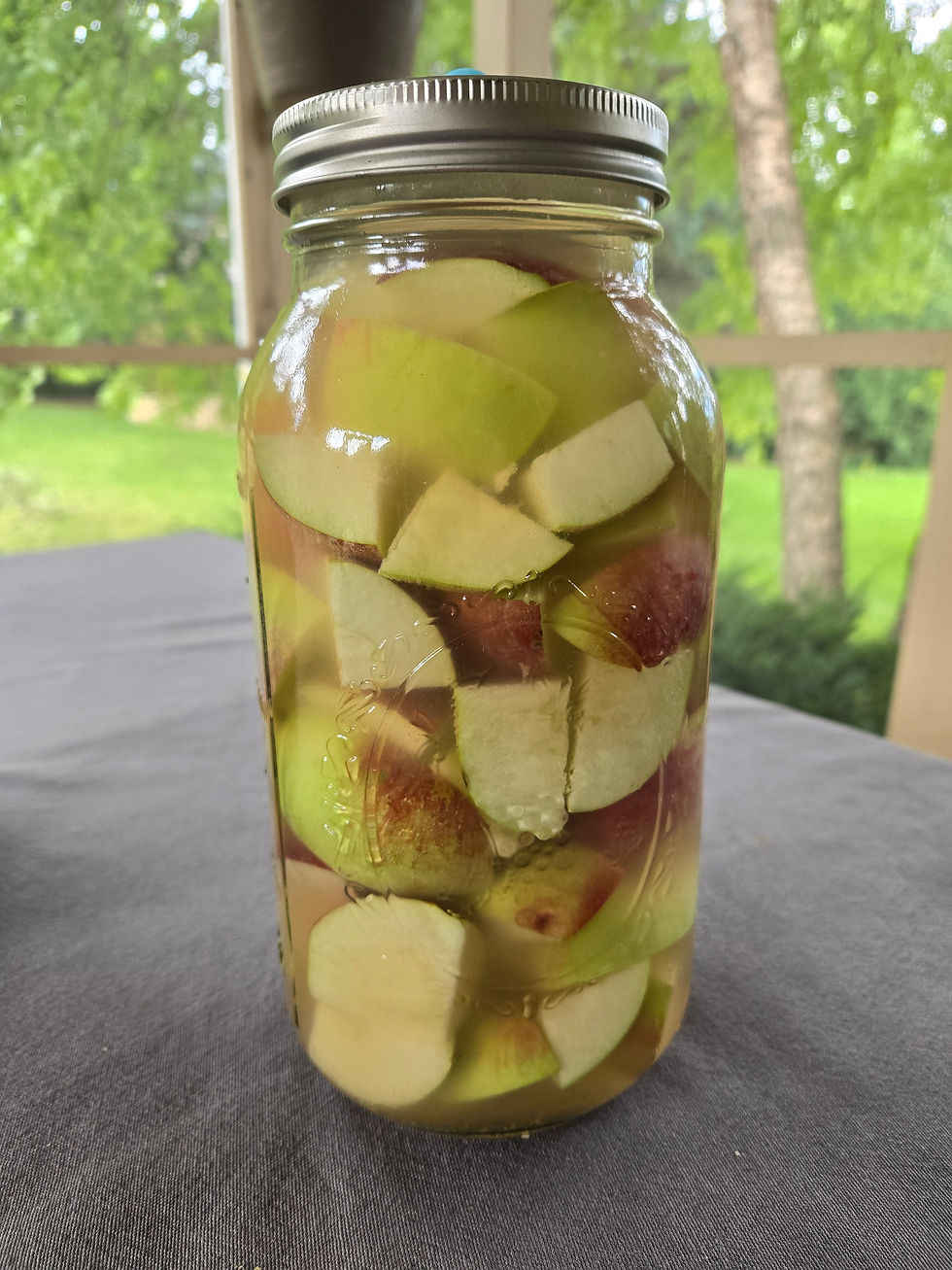
Fermented foods are extremely important for gut health. Among other benefits, they contain polyamines, which repair the gut lining and reduce inflammation. (page 60) They essentially pre-digest fiber making it more bioavailable and enhance communication within the microbiome. Even fermenting meat has benefits. Could this be the key to explaining the diverging opinions related to benefits and risks of consuming red meat? Bacteria during fermentation apparently “eat” the sugar molecule Neu5Gc in red meat (and milk from these animals). Neu5Gc is particularly high in the organs of these animals, but not in chicken organs! (page 168) The theory behind this is that Neu5Gc mimics a similar human sugar molecule and that when incorporated into the blood vessels can cause the immune system to react (given that it is similar, but not similar enough), resulting in inflammation.
Low plasmalogen levels are related to Alzheimer's Disease and inflammation and are particularly relevant for APOE4 carriers, which causes a defect in metabolizing fat and carrying cholesterol into/out of cells. (page 109). Inulin (found in chicory root, for example) can increase production of a certain plasmalogen.
APOE4 genotype is associated with a microbiome that produces less amino acids and SCFAs (page 110) so if you are a carrier like myself supporting butyrate producing bacteria (or supplementing?) might be helpful.
SCFAs appear to drive ovarian cancer cells to apoptosis, and mice given Akkermansia improved immune function in a way that suppressed ovarian cancer. (pages 119 and 120)
An enzyme called intestinal alkaline phosphatase (IAP) can provide protection from LPSs by preventing them from crossing the gut wall/circulating, by reducing their level of toxicity and by improving the microbiome. (page 57) Curcumin, black pepper and ginger can increase IAP levels (as long as the proper gut bacteria are able to process them….probiotics may be helpful here). Molded cheeses also provide IAP. (page 132)
Fermentation reduces the allergens in dairy, including casein. It is still important to eat A2 varieties. (page 132)
Glycine, which is a primary component of collagen, is important for maintaining the gut wall and supplementing is very effective, as evidenced by a study in which older adults reduced inflammatory markers and improved mitochondrial function after just two weeks. (page 59)



Comments